Why Replacing Missing Teeth Matters for Your Oral Health
If you’ve lost a tooth and the gap doesn’t hurt, it’s easy to wonder whether it really needs attention. For most people in Chesterfield, MI, the honest answer is yes, though usually not on an emergency timeline. A missing tooth changes the mouth slowly. The teeth beside it can tip, the tooth above or below can drift toward the open space, and the bone that once held the root starts to shrink because nothing is pressing on it anymore. None of that happens overnight, which is exactly why it gets put off. Replacing missing teeth protects the teeth you still have, keeps your bite working the way it should, and holds on to the bone that gives your lower face its shape.
So what actually happens after a tooth is gone? Every tooth leans on its neighbors and on the tooth that meets it from the opposite jaw, and those contacts are what keep it in place. Teeth sit in bone on tiny ligaments that respond to pressure, which is the same reason braces can move them on purpose. A gap creates slow, unplanned pressure instead. Meanwhile, the bone under the empty space stops receiving chewing forces through a root, and the body gradually reabsorbs bone it isn’t using. Studies of extraction sites show the ridge loses a few millimeters of width in the months after a tooth comes out, with most of that change happening early. The size of the effect varies. One missing back tooth may cause only minor changes for years, while several missing teeth tend to cause bigger problems faster. Our full range of preventive, restorative, and cosmetic dental services is built to catch these changes before they snowball.
Knowing this gives you more choices and usually keeps treatment simpler. When a gap is handled while the surrounding teeth are still upright and the bone is still full, the plan tends to be straightforward. Wait long enough, and it may need extra steps, like a graft to rebuild support or orthodontic work to reopen a space that has closed unevenly. Plenty of people delay because they’re worried about cost, time off work, or a long string of appointments, and those are reasonable concerns. At Chesterfield Family Dental, Dr. David Lesinski and Dr. Devin Hodell use digital scans and X-rays to see exactly how a gap is affecting the surrounding teeth and bone before recommending anything. You’ll know what’s happening now, what’s likely to happen if you wait, and which tooth replacement options make sense for your mouth.
This Article Will Address
- When a lost tooth should ideally be replaced
- How a gap lets neighboring teeth drift and tip
- What tooth loss does to everyday chewing
- Whether missing teeth can change the shape of your face
- How an uneven bite and shrinking bone affect the jaw
How Soon Should a Missing Tooth Be Replaced?
Sooner is usually better, ideally within the first several months, because that’s when the jawbone changes the most. That doesn’t mean you need treatment the same week. After an extraction, the socket needs time to heal, and the best timeline depends on which tooth is missing and which replacement you choose. A dental implant needs enough healthy bone to anchor in, so waiting a long time can mean adding a graft first. In some cases, our team places a graft at the time of the extraction to help the area keep its shape while it heals. And if a tooth has been missing for years? It’s still worth an exam. Bone height and tooth position can be measured, and a plan can be built from wherever things stand today. Our restorative dentistry care covers fresh gaps and long-standing ones alike.
Can Missing Teeth Cause Other Teeth to Shift?
Yes. The teeth next to a gap can tilt into the open space, and the tooth in the opposite jaw can slowly push out of its socket because nothing is stopping it. How much movement happens varies a lot from person to person. A long-term study in the Journal of the American Dental Association followed patients with one missing back tooth for a median of nearly seven years, and most had shifted a millimeter or less. Larger gaps, several missing teeth, and gum disease all make movement more likely. When teeth do shift, the effects tend to build on each other:
- A neighboring tooth leans toward the gap, opening small spaces where food gets trapped
- The opposing tooth drifts down or up, exposing more of its root
- Your bite stops meeting evenly, so fewer teeth absorb more force
- Tipped teeth are harder to clean, which raises the risk of decay and gum problems
A fixed dental bridge or an implant fills the space and gives those teeth something to rest against again.
Can Missing Teeth Affect Chewing?
They can, and most people notice this before anything else. Losing even one molar takes away a big piece of the grinding surface on that side, so many people start chewing on the other side without thinking about it. Over time, that side does more than its share of the work, and those teeth can wear down or crack sooner. Food choices quietly change too. Raw vegetables, nuts, and tougher cuts of meat get harder to manage, and softer, more processed foods take their place. A missing front tooth affects eating differently, making it awkward to bite cleanly into an apple or a sandwich.
Because the shift is gradual, a lot of people don’t realize how much they’ve adapted until the tooth is replaced and they can use both sides of their mouth again.
Can Missing Teeth Change Your Face Shape?
They can, mostly when several teeth are missing or an entire arch is gone. Your teeth and the bone around them support your lips and cheeks from the inside, and as that bone shrinks, the support fades. With multiple missing back teeth, the distance between the nose and chin can shorten, the corners of the mouth can turn down, and the cheeks can look hollow. This is what people mean by facial collapse from missing teeth. A single missing tooth rarely changes the face in a way anyone would notice, although a missing front tooth can let the lip sink slightly over the gap. This is a big reason dental implants are often recommended. Because the implant post sits in the jawbone like a root, it keeps sending chewing forces into the bone and helps preserve it, something a replacement resting on top of the gums can’t do.
Can Missing Teeth Cause Jaw Problems?
In some people, yes. When teeth are missing and others drift, the upper and lower teeth stop meeting in a balanced way, and the jaw muscles and joints adjust to that bite misalignment. Some people never feel a thing. Others start to notice signs like these:
- Sore jaw muscles, especially after meals
- Clicking or tenderness in front of the ear when opening wide
- Morning headaches around the temples
- A bite that feels off, as if the teeth no longer fit together the way they used to
Jaw pain has plenty of other causes, so a gap isn’t automatically to blame. The second jaw concern is bone. Jawbone loss after tooth extraction continues as long as the space stays empty, and eventually there may not be enough bone for an implant. When that happens, bone grafting can rebuild the area so a replacement has solid support.
Schedule Your Tooth Replacement Consultation with Our Team
If you’ve been living with a gap and wondering whether it’s time to do something about it, we’d be glad to take a look. Chesterfield Family Dental is welcoming new and returning patients in Chesterfield, MI, and a consultation will show you how the space is affecting your teeth, bite, and bone, along with the missing tooth replacement choices that fit your mouth and budget. Call (586) 725-2125 or request your dental appointment to get started.
Sources
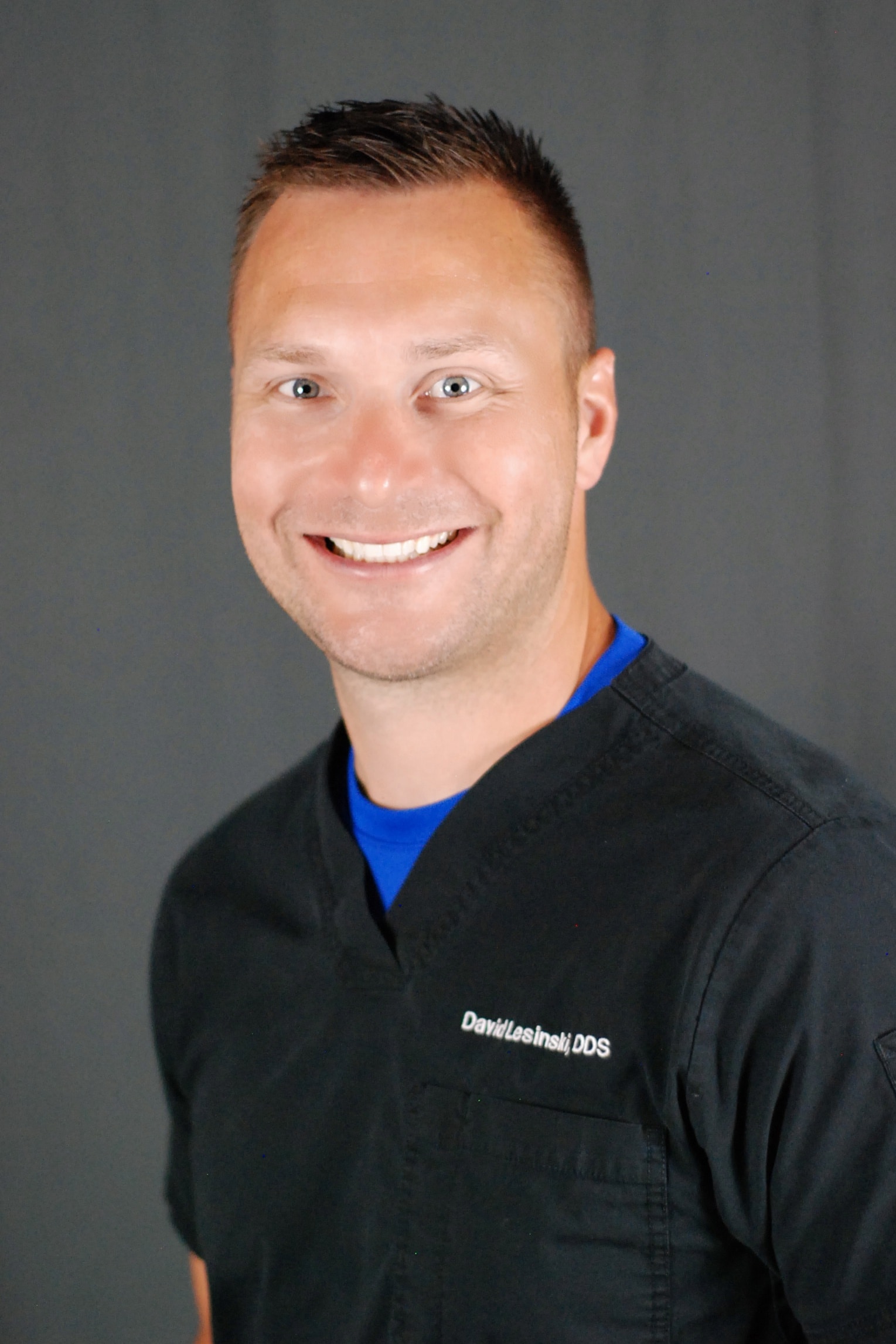
Meet Dr. David Lesinski
Dr. David Lesinski earned both his undergraduate and dental degrees from the University of Detroit Mercy, and his years in Detroit gave him a lasting fondness for the city’s history and progress. He considers his greatest accomplishments to be his family and the chance to improve his patients’ smiles, describing his work as blending art, technology, and science to rebuild teeth. As he puts it, healthy teeth give us so much that’s easy to take for granted until something goes wrong. Outside the office, Dr. Lesinski spends time with his wife, Rebecca, and their four children, and enjoys volunteer coaching high school wrestling, riding the Macomb Orchard Trail with his family in the summer, and, in his own words, being terrible at golf.